

DJI has released a teaser for a new product launch scheduled for July 17 at 8 a.m. EDT, aimed at the drone mapping sector. The tagline for the campaign is “Make the World Your Digital Asset.” The teaser video depicts a swirling point cloud transforming into a detailed 3D rendering of a castle.
The tagline is already associated with DJI Terra, the company’s professional drone mapping platform. DJI Terra enables the conversion of drone-captured imagery into accurate 2D maps and 3D models. It is widely used in sectors such as surveying, construction, infrastructure inspection, public safety, and cultural heritage preservation.
One notable example is the digital preservation of Karatsu Castle in Japan, where drone imagery processed through Terra was used to create textured 3D reconstructions for archival purposes.
DJI Terra provides the following core functions:
The software is compatible with advanced sensors like the Zenmuse L2, making it a key tool for professionals across industries.
While DJI has not disclosed the product to be unveiled, the teaser’s imagery suggests a focus on enhanced mapping capabilities. The depiction of a castle formed from 3D data reflects real-world applications already supported by DJI Terra, highlighting the role of drone technology in preservation, construction, and digital documentation.
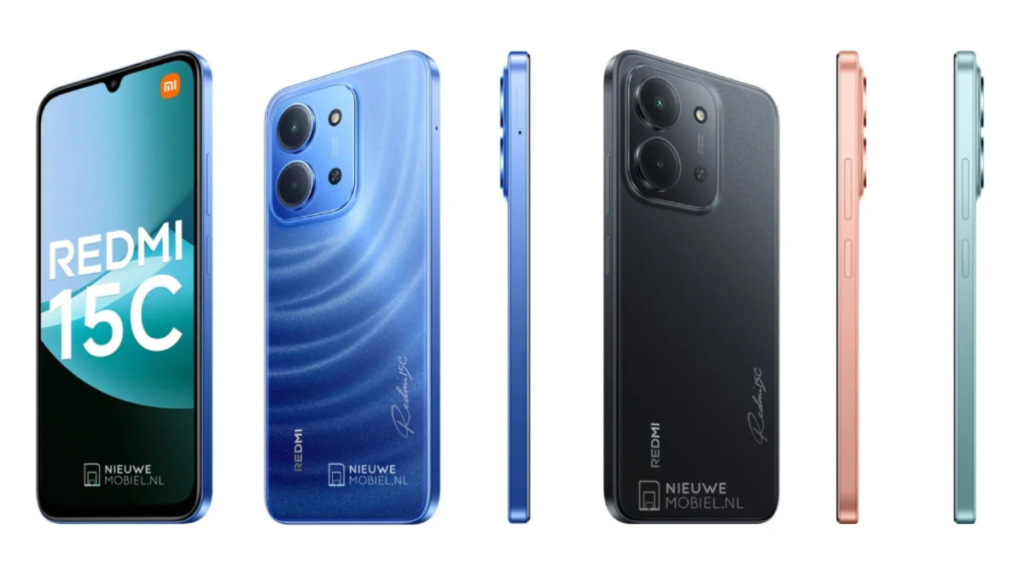
Xiaomi is preparing to launch the Redmi 15C, a 4G entry-level smartphone, in Europe. Official renders of the device were recently leaked by a Dutch publication, and a listing from Italian retailer EPTO has appeared online, revealing configurations and pricing. No specifications are mentioned in the listing.
The Redmi 15C will be offered in two memory variants:
Color options include Blue, Green, and Midnight Gray. A Twilight Orange version may also be available in select markets. The device is expected to be rebranded as the Poco C85 in some regions. The broader Redmi 15 series will likely consist of at least three models: Redmi 15 5G, Redmi 15C 5G, and Redmi 15C (4G).
>>>Battery replaces BN5X for Xiaomi 14 - Li-ion 5160mAh/19.82Wh
Separately, a new Xiaomi device has appeared in Europe’s EEC certification database. Based on model numbers and previous leaks, the device is believed to be the upcoming Xiaomi 16 Ultra.
According to XiaomiTime, the following model numbers are associated with the Xiaomi 16 Ultra:
The 2512BPNDAG variant has received EEC certification, further supporting its identification as the global Xiaomi 16 Ultra. Additionally, models 25128PNA1C and 25128PNA1G are thought to correspond to either the Xiaomi 16 Ultra Max or Xiaomi 16S Ultra (China and global versions, respectively). These model numbers have appeared in the GSMA IMEI database, though no marketing names are confirmed.

Choosing between a MacBook (macOS) and a Windows laptop isn’t just about hardware—it’s about the ecosystem, workflows, budget, and personal preferences. Here's a refined breakdown to help you decide:
macOS Advantages
Native Unix-based environment supports developer tools like Homebrew, Xcode, Terminal, and shell scripting.
Seamless integration with iPhone, iPad, Apple Watch via Continuity features (e.g., Handoff, Universal Clipboard).
User-friendly UI, polished trackpad gestures, Spotlight search, and close-knit hardware-software integration.
Windows Pros
Broader software and hardware compatibility—better support for legacy apps, specialized business tools, engineering software, and AAA gaming.
Virtualization options (VMware, Hyper-V); many models allow easier upgrades (RAM, storage).
Windows 11 includes AI enhancements (Copilot+), stronger hardware configurability, and a familiar interface for many users.
Learning Curve: Transitioning between systems challenges muscle memory. For example, macOS shortcuts and Finder navigation can feel unintuitive to long-time Windows users, and third-party tools often help bridge the gap.
MacBooks
Historically closed systems: RAM and storage are soldered on, making upgrades impossible. To improve performance, you'd need to purchase a higher-spec machine upfront, which is costly.
Windows Laptops
Many models—like the Lenovo ThinkPad series—allow for upgrading RAM, storage, and sometimes even CPU. Microsoft’s Surface Laptop 7, though still limited by soldered RAM, does offer a removable SSD and easier repairability.
MacBook Pricing
MacBooks tend to have higher entry prices but hold strong resale value and include long-term software support and security updates for ~6–7 years. Expect good value if you use them for years.
Windows Options
You can find capable Windows laptops across a broad price range—affordable budget models ($500–700), mid-range ultrabooks ($700–1,200), and high-end workstations or gaming rigs ($1,500+).
Creative Work (Video, Photo, Audio)
MacBook Pros with M-series chips shine for creative professionals—high color accuracy, fast rendering, and pro apps like Final Cut Pro and Logic Pro. Windows heavyweights (e.g., Asus ProArt, XPS) also deliver excellent performance and superior hardware flexibility.
Students & Business Users
MacBook Air is a favorite among students for its portability, battery life, and seamless ecosystem. Windows alternatives like Surface Laptop and ThinkPads appeal for flexibility and enterprise-grade tools.
Gaming
Windows dominates. Most AAA titles are Windows-only, and gaming hardware is far more accessible in the Windows ecosystem. MacBooks are limited in this department.
MacBook Ecosystem
Best for those already invested in Apple products: iPhone, iPad, AirPods, Apple Watch. Continuity, iCloud, AirDrop, and sidecar functionality make daily workflows seamless.
Windows Ecosystem
Windows fits well in mixed-device environments: Android phones, PC peripherals, enterprise VPNs, and USB/Thunderbolt/HDMI devices. It supports work scenarios, legacy software, and gaming better.
There’s no one-size-fits-all answer. The "better" system depends on your daily needs and environment:
Pick a MacBook if:
You value battery life, efficient performance, and build quality.
You use Apple devices and rely on continuity features.
You’re a creative professional or developer invested in the macOS toolchain.
You’re okay with paying more upfront and planning specs ahead.
Choose Windows if:
You need gaming or enterprise-grade software and hardware compatibility.
You want to customize or upgrade your system down the line.
You prioritize flexibility across platforms and price points.
You're a student, business professional, or gamer needing accessibility.
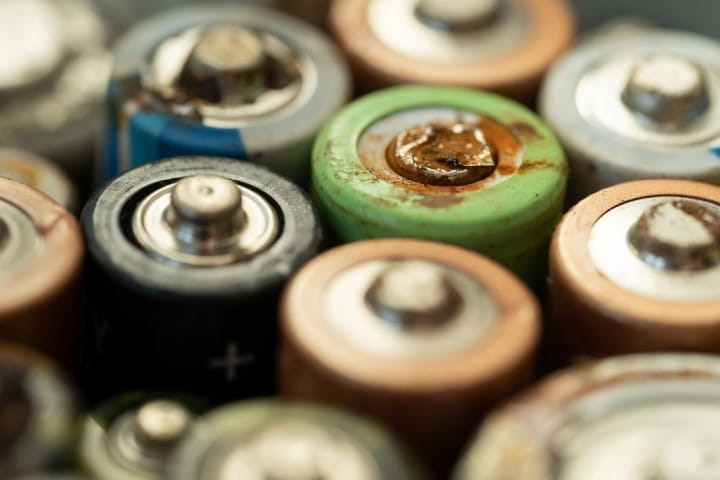
Battery leakage—when internal chemicals escape the casing—is a common problem that can damage devices and pose health risks. It mainly occurs in household batteries (alkaline, zinc-carbon), car batteries (lead-acid), and rechargeable types (Ni-Cd, Ni-MH). Understanding why batteries leak and how to prevent it can help prolong device life and ensure safety.
All batteries have a limited shelf life. Even if unused, they will eventually degrade and may start leaking. Zinc-carbon batteries typically last 3 to 5 years, while alkaline batteries can last around 5 to 10 years.
As batteries age, they slowly discharge. This process can weaken their internal structure and increase the risk of leakage.
Exposure to high temperatures accelerates chemical reactions inside the battery. This raises internal pressure and increases leakage risk.
Extremely cold conditions can damage seals and reduce battery integrity. Repeated heating and cooling cycles also increase material stress and wear.
Using batteries of different brands, chemistries, or charge levels in the same device causes uneven discharge. Weaker batteries can become reverse charged, leading to overheating and leakage.
If a device is not used for a long time but still contains batteries, the risk of leakage increases. Chemical reactions continue slowly even when the device is off, which can eventually lead to seal failure and leakage.
In car batteries, overcharging produces excess heat and gas. This can crack the casing and cause sulfuric acid to leak.
Rechargeable household batteries can also leak if they are overcharged or if you try to recharge batteries that are not designed to be recharged.
Dropping or crushing a battery can physically damage its casing.Some batteries may leak due to poor manufacturing or defective seals.
Choose reputable brands and check the expiration date before purchasing. High-quality batteries are less likely to leak and usually last longer.
Always use the same brand and type together, and replace all cells simultaneously .
Take batteries out of devices that will not be used for a while. This reduces the chance of slow discharge and leakage over time.
Inspect both installed and stored batteries every few months. Look for signs of swelling, corrosion, or leakage and replace if necessary.
Battery leakage is preventable with knowledge and care. Choose quality batteries, store them properly, avoid mixing types, and remove them from idle devices. Inspect regularly and follow safe cleaning and disposal procedures. For car batteries, ensure correct charging and address damage promptly.
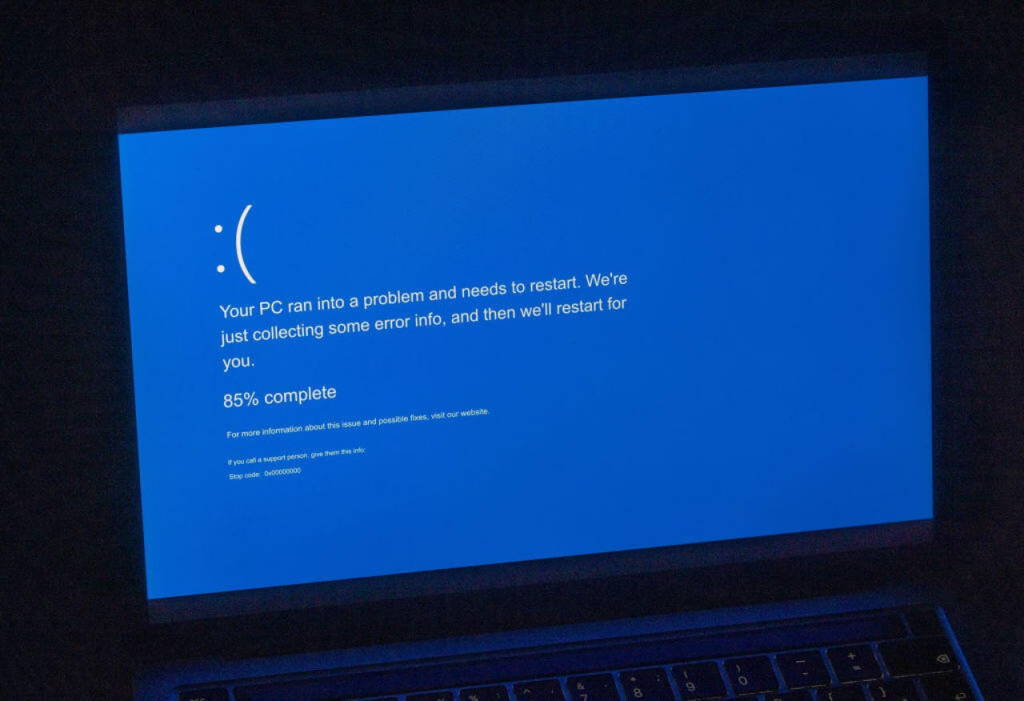
Experiencing a computer that refuses to start can be both frustrating and perplexing. Whether your system powers on without display, displays a black screen, or doesn't respond at all, understanding the underlying causes and knowing how to troubleshoot effectively can help you get back on track.
1.1 Verify Power Source
1.2 Inspect Power Cables and Adapter
1.3 Test with Alternative Power Sources
2.1 Disconnect All External Devices
2.2 Power Cycle the Computer
3.1 Beep Codes
3.2 LED Indicators
4.1 Open the Computer Case
4.2 Inspect Internal Components
4.3 Reseat Components
5.1 Isolate Essential Components
5.2 Attempt to Boot
5.3 Gradually Reconnect Components
6.1 Built-in Diagnostics
6.2 POST Test Cards
7.1 Boot into Safe Mode
7.2 Use Windows Recovery Environment (WinRE)
7.3 Reinstall the Operating System
8.1 When to Consult a Technician
8.2 Warranty Considerations
By systematically following these steps, you can diagnose and potentially resolve issues preventing your computer from starting. Always exercise caution when handling internal components, and seek professional assistance if needed.