
A growing number of smart wearables claim to measure sleep quality and stress levels to help users make informed health and lifestyle decisions. However, a recent study suggests that these devices may not be sufficiently accurate, particularly in assessing stress.
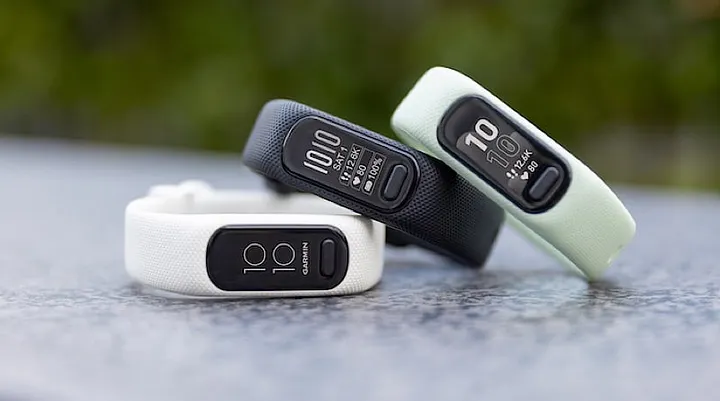
The study, conducted at Leiden University in the Netherlands, involved 781 student participants who wore the same smart wearable for a period of three months. During this time, participants also completed ecological momentary assessment (EMA) surveys that recorded self-reported data on sleep, fatigue, and stress levels.
>>>Battery replaces A2516 for Apple Watch A2516 - Li-ion 345mAh
The findings indicated a strong correlation between the wearable’s data and the participants' EMA reports for sleep and fatigue. However, there was a notable divergence in stress measurement, with the wearable's readings failing to align with self-reported stress levels.
The study used the Garmin Vivosmart 4, a model released in 2018 and discontinued in 2022 in favor of the Vivosmart 5. This device’s specific approach to stress tracking may have contributed to the discrepancy with EMA data.
>>>Battery replaces 361-00139-10 for Garmin Venu 2 - Li-Polymer 225 mAh/0.87Wh
Despite the use of a single older device, the study’s results have raised broader concerns about the reliability of wrist-worn wearables in accurately tracking stress, a feature that remains prominent in many such devices today.